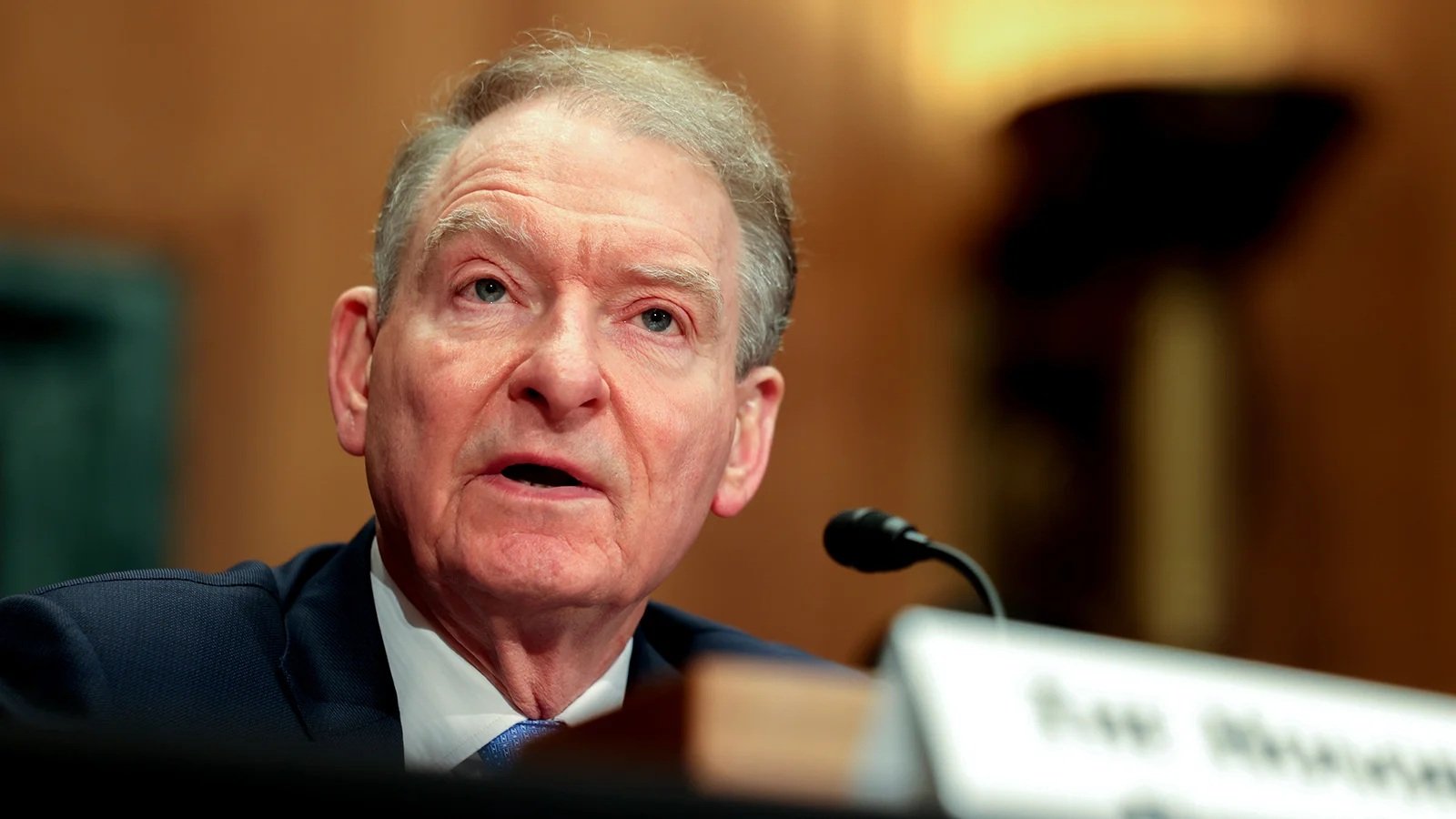

The inaugural speech by U.S. SEC Chair Paul Atkins on cryptocurrency sent several key signals, outlining a strategic shift and policy priorities for the agency's future approach to regulating crypto assets.
Here are the core takeaways from his address:
1. Regulatory Framework Shift: From “Enforcement-First” to “Rules-First”
Moving away from regulation by enforcement: Atkins explicitly criticized the previous approach of using lawsuits—like those against Coinbase and Ripple—to set policy. He emphasized that the SEC will now prioritize using its formal rulemaking authority, interpretive guidance, and exemption powers to establish clear, predictable standards for the market.
Adapting policy tools: The agency will focus on issuing guidance, granting exemptions, or amending existing rules—such as revising registration forms—to better accommodate the unique nature of crypto assets, rather than forcing them into outdated frameworks.
2. Three Core Regulatory Focus Areas
(1) Securities Issuance: Pushing for Adaptive Reform
Streamlining registration: Noting that current disclosure forms like Form S-1 are ill-suited for crypto, the SEC plans to adjust exemption rules—potentially expanding Regulation A—and may create dedicated issuance channels tailored for digital assets.
Clarifying what constitutes a security: The Commission pledged to provide further guidance on which crypto assets qualify as securities, reducing uncertainty for projects.
(2) Custodial Services: Deregulation to Spur Innovation
Repealing SAB 121: This controversial accounting bulletin forced institutions to hold customers' crypto on their balance sheets, stifling custody services. Its removal paves the way for more flexible custody solutions.
Embracing self-custody tech: The SEC intends to allow investment advisers and funds to use decentralized custody options, like multi-signature wallets, under certain conditions, acknowledging their potential security benefits.
Reforming the “Special Purpose Broker-Dealer” regime: The current, restrictive framework (with only two active entities) is set for revision, likely easing custody rules for non-security crypto assets.
(3) Trading Platforms: Expanding Product Offerings
Supporting the “super-app” model: Broker-dealers may be allowed to trade both securities and non-securities (like crypto-to-crypto pairs) on a single platform, enabling integrated financial services.
Exploring crypto listing rules: The SEC is assessing the feasibility of listing crypto assets on national securities exchanges, potentially building on lessons from the Bitcoin ETF approval process.
3. Technology Neutrality and Innovation-Friendliness
Drawing a parallel to the digital music revolution: Atkins compared tokenizing securities to the digitization of music, highlighting blockchain's potential to create novel financial instruments (like automated dividend smart contracts) and unlock liquidity for illiquid assets.
Avoiding a one-size-fits-all approach: The SEC acknowledged that existing securities rules may not translate well to on-chain environments, signaling a need for tailored adjustments to avoid hindering technological progress.
4. Interagency Collaboration and Policy Coordination
The role of the Crypto Asset Working Group: Co-led by Commissioners Mark Uyeda and Hester Peirce, this group aims to break down internal “policy silos” at the SEC and coordinate cross-agency efforts to speed up rule implementation.
Aligning with broader government goals: In line with the vision of making “America the crypto capital,” the SEC seeks legislative and administrative support to prevent innovation from moving offshore.
5. Investor Protection and Market Integrity
Fraud remains the top priority: Clear rules help investors identify scams; enforcement will focus on fraud and market manipulation, not on targeting the underlying technology.
Balancing innovation and risk: Exemption mechanisms will allow experimental business models, such as novel trading platforms, to operate within clear compliance boundaries.
Summary
A shift in regulatory tone: The move from a “hostile” to a more “collaborative” stance signals the SEC's potential entry into a pragmatic era of crypto governance.
Clarity on the horizon: A wave of guidance documents, exemption policies, and proposed rule amendments is expected within the next 6–12 months.
Boosting U.S. competitiveness: By easing constraints in issuance, custody, and trading, the U.S. aims to attract global crypto business back to its shores.
Potential Challenges
Jurisdictional limits: Some reforms require congressional action, such as clarifying the boundary between the SEC and CFTC. Political gridlock could slow progress.
The DeFi dilemma: Decentralized finance remains a largely unaddressed frontier; regulating anonymous protocols continues to pose a significant challenge.
This speech marks a pivotal shift in the SEC's stance—from “defensive regulation” to “adaptive regulation.” However, the pace and substance of actual policy implementation will depend on future developments.