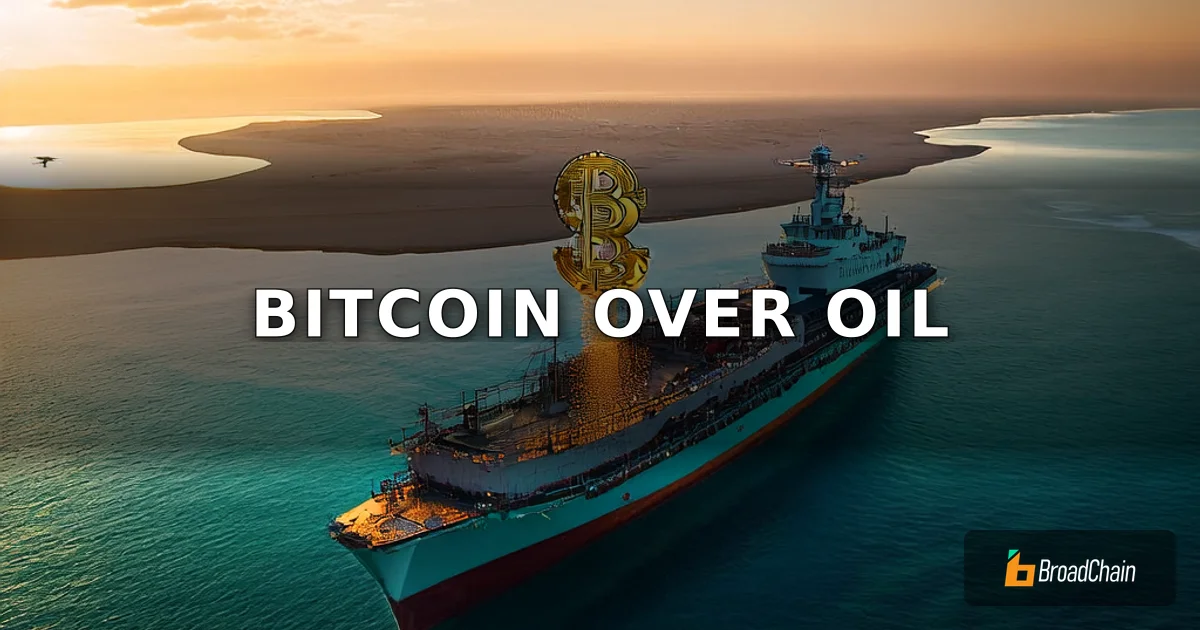

BroadChain learned that on April 27 at 04:36, according to Bitcoinist, Iran announced the acceptance of Bitcoin as a payment method for oil transit fees through the Strait of Hormuz, sparking concerns in Washington about whether the U.S. military truly understands cryptocurrency as a tool of national power. Approximately 20% of the global oil supply is transported through this strait. Iran prefers stablecoins, but Bitcoin's non-freezable nature gives it an advantage in specific transactions.
Sam Lyman, Director of Research at the Bitcoin Policy Institute, pointed out that the core reason Iran chose Bitcoin is that no one can freeze its transactions. U.S. Navy Admiral Samuel Paparo stated during a Senate hearing that the U.S. government runs Bitcoin nodes, describing it as a "combination of cryptography, blockchain, and proof of work," viewing it as a computer science tool and a means of power projection.
Cryptocurrency educator Matthew Kratter criticized the remarks of Paparo and Senator Tommy Tuberville as akin to reading from Wikipedia, showing a lack of understanding of Bitcoin's actual characteristics. The Bitcoin community is concerned that if the military positions cryptocurrency as a strategic asset, vague statements may fail to prove that decision-makers grasp its real value in high-risk geopolitical contexts. Data from the Bitcoin Policy Institute shows that transactions related to Iran's Revolutionary Guard account for nearly half of the country's crypto market volume.